
How Invisalign Treatment Compares for Different Life Stages
Choosing orthodontic treatment is not just about straightening teeth. It is also about timing, daily routines, and personal priorities. Adults and teens often approach treatment with very different expectations, even when using the same clear aligner system. Invisalign for Adults vs Teens highlights how age, responsibility, and lifestyle can shape the treatment experience and outcomes.
This guide explains what sets these two paths apart and what patients and parents should keep in mind when considering clear aligners.
Invisalign Treatment for Adults
Adults often pursue clear aligner care with a strong sense of purpose. Many are balancing work, family, and social commitments, which makes flexibility and discretion important. Clear aligners fit easily into daily life and allow adults to continue professional and personal routines with minimal disruption.
Invisalign treatment for adults is often influenced by long-term goals beyond appearance. These may include improved oral health, bite function, and easier hygiene habits. Common factors that shape adult treatment decisions include:
- Work schedules and meetings
- Social and professional confidence
- Consistency with daily wear
Adults also tend to manage aligner wear independently. This level of accountability can support steady progress when instructions are followed closely. Regular check-ins and clear communication help keep treatment moving forward while fitting into a busy lifestyle.
Invisalign for Teens and Growing Smiles
Teen patients experience orthodontic care during a period of active growth and change. Teeth and jaws are still developing, which can influence how treatment is planned and monitored. Clear aligners offer a more subtle option that fits into school, activities, and social life without drawing attention.
Invisalign for teens often includes features designed to support consistency and progress. Treatment plans may account for growth patterns and the need for guidance from parents or caregivers. Common considerations for teen patients include:
- School schedules and extracurricular activities
- Sports and protective gear
- Parental involvement and reminders
Because teens are still building daily habits, ongoing encouragement and check-ins play an important role. When expectations are clear and support is consistent, many teens adapt well to aligner wear and stay on track throughout treatment.
Invisalign for Adults vs Teens: Responsibility and Wear Time
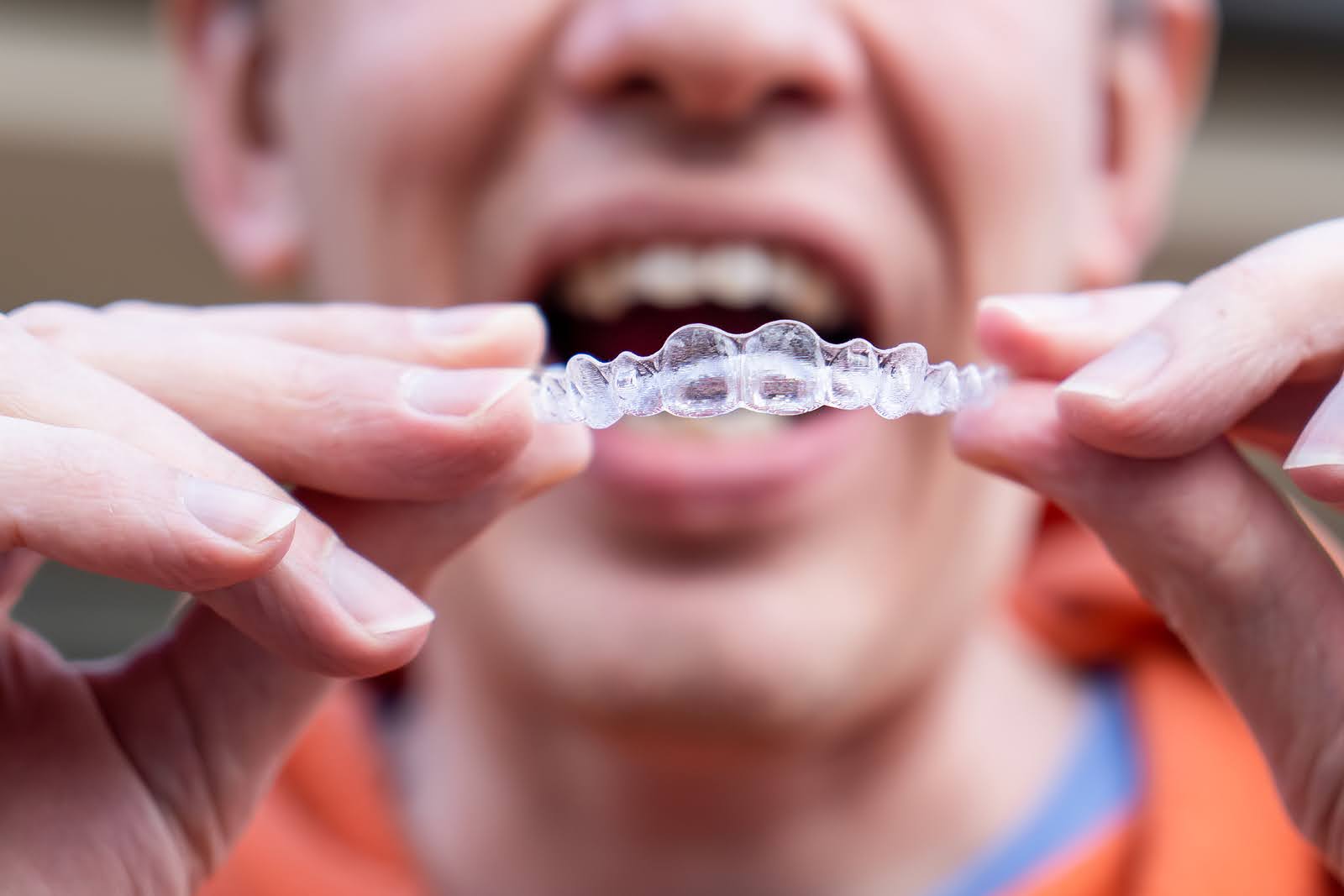 Daily wear habits play a major role in how clear aligner treatment progresses. Adults and teens often differ in how they approach responsibility, which can influence consistency and overall timing. Understanding these differences helps set realistic expectations for both age groups.
Adults usually manage aligner wear as part of their established routines. Meals, workdays, and personal schedules tend to follow predictable patterns. This structure can make it easier to maintain consistent wear without external reminders.
Teens may rely more on support from parents or caregivers to stay consistent. School days, activities, and social plans can interrupt routines. With clear guidance and regular follow-up, many teens develop strong habits over time and maintain steady progress.
Invisalign Age Differences That Impact Treatment Planning
Age plays a role in how orthodontic care is planned and monitored. Teeth movement responds differently at various stages of development, which can influence timelines and check-in schedules. These factors are considered early, so expectations stay clear for patients and families.
Invisalign age differences often relate to jaw growth, bone density, and how attachments are used. Younger patients may need closer observation as changes occur, while adults usually have more stable structures. These distinctions help guide how aligners are designed and adjusted over time.
Several planning factors are reviewed during evaluations:
- Jaw growth and development
- Attachment placement and refinements
- Expected treatment length and follow-ups
Careful planning supports steady progress for both adults and teens. Each plan is built around clinical needs and daily habits to keep treatment moving forward smoothly.
Lifestyle, Aesthetics, and Social Comfort
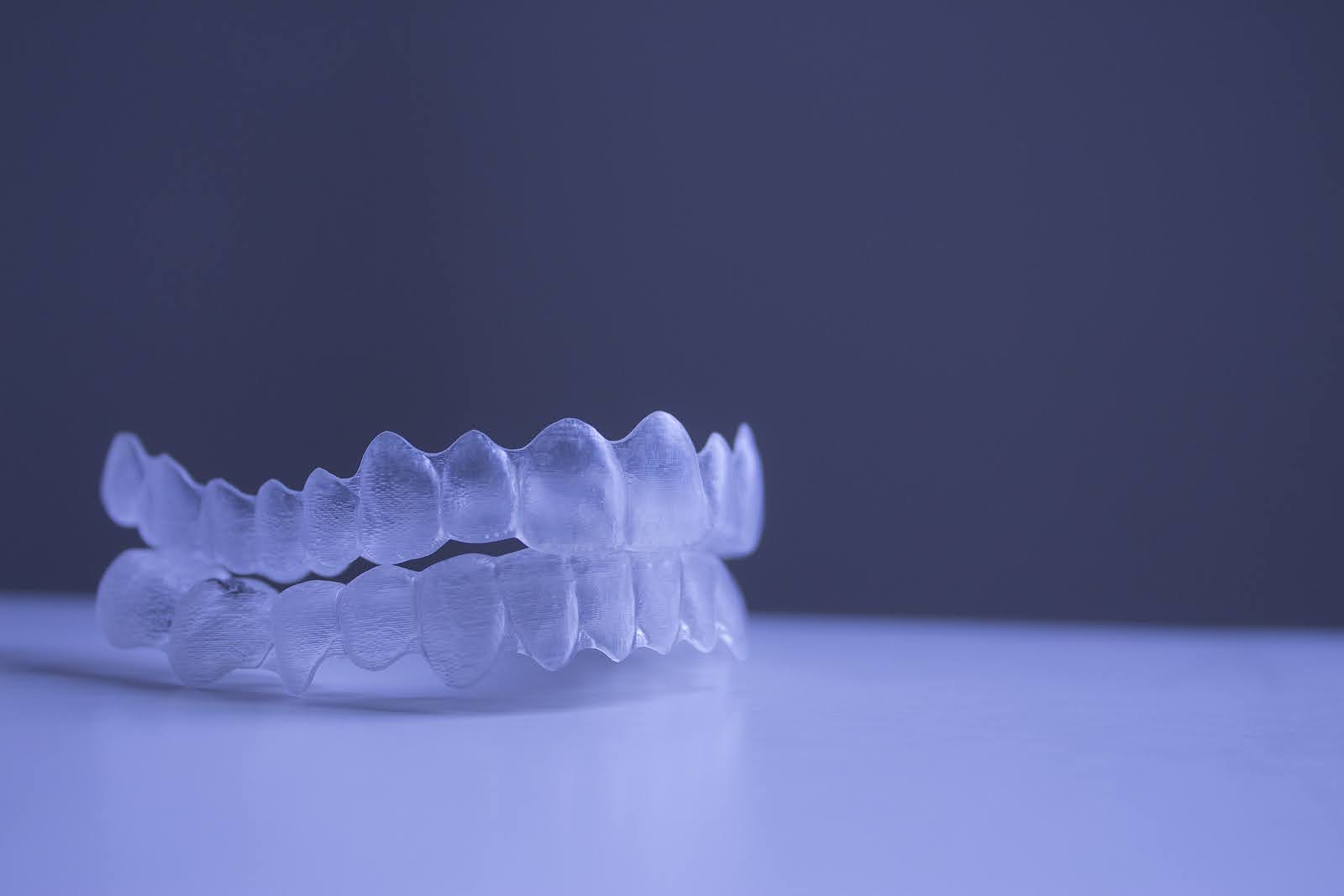 Daily life can shape how patients feel about orthodontic care. Adults and teens often place value on appearance, comfort, and confidence, but the reasons behind those priorities may differ. Clear aligners provide a discreet treatment option that blends naturally into everyday social settings.
Adults may focus on professional interactions, conversations, and public-facing roles. Teens are often more aware of peer interactions, school environments, and group activities. In both cases, subtle treatment can reduce self-consciousness during everyday moments.
Lifestyle considerations that often influence aligner care include:
- Work meetings, presentations, and public speaking
- School activities and group photos
- Sports, events, and social gatherings
Feeling comfortable wearing aligners can support consistency and confidence. When treatment blends naturally into daily routines, patients of all ages are more likely to stay engaged and committed.
Frequently Asked Questions About Invisalign for Different Age Groups
Is treatment time usually longer for adults than teens?
Treatment length depends on alignment needs and how consistently aligners are worn. Adults and teens can experience similar timelines when wear instructions are followed closely.
Do teens need special aligners compared to adults?
Teen aligners may include features that support habit building and growth monitoring. The core aligner system is similar for both age groups.
Can adults start Invisalign later in life without issues?
Many adults begin treatment well after their teen years with positive results. Healthy teeth and gums are the most important factors.
How often are checkups scheduled for teens compared to adults?
Teens may have more frequent monitoring to support growth changes and consistency. Adults often follow a steady, predictable visit schedule.
Do teens lose aligners more often than adults?
Teens may misplace aligners more easily due to busy schedules. Simple routines and reminders help prevent this.
Are attachments more noticeable on teens than adults?
Attachment visibility depends on tooth position, not age. Placement is planned carefully to balance effectiveness and appearance.
Can teens switch to Invisalign after starting braces?
A switch may be possible after an evaluation. The decision depends on progress and treatment goals.
Invisalign Care at Goodman Orthodontics
At Goodman Orthodontics, we focus on precision, expertise, and advanced orthodontic technology to support Invisalign care for adults and teens. Dr. Adam Goodman leads our approach as a Top 1% Invisalign Diamond Plus provider, combining deep clinical experience with modern techniques to create treatment plans that respect each patient’s goals, time, and comfort. We take the time to explain recommendations clearly so patients feel confident and informed at every stage.
Our team is patient-focused and tech-forward, with offices serving Manhattan and Riverdale in New York. We work closely with each patient to deliver thoughtful care and consistent results in a professional, welcoming setting.
If you are exploring Invisalign options for yourself or your teen, we invite you to schedule a consultation and speak with us about your goals.