
Deciding to improve your smile after 30 often comes with more thought than it did earlier in life. Work schedules, family responsibilities, and personal comfort all play a role in the decision.
Braces or aligners for adults is a common question for people who want effective results without disrupting daily life. This article explains how each option works, what to expect from adult orthodontic care, and how to choose an approach that fits your goals and routine.
Understanding Orthodontic Needs After 30
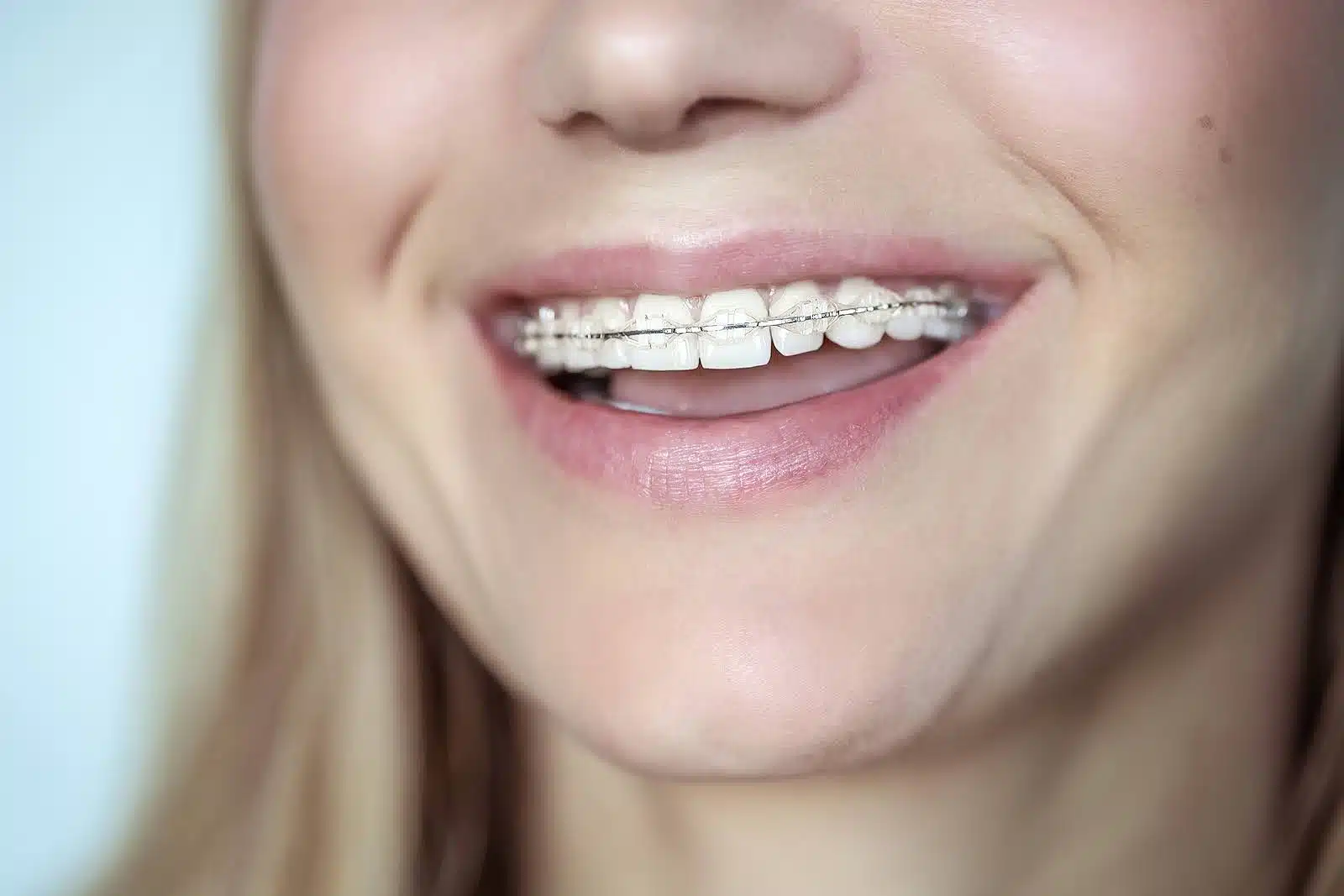 Orthodontic care after 30 often looks different from what it does for younger patients. Teeth have settled into place, and the jaw has fully developed. This can affect how teeth move and how treatment is planned.
Many adults seek treatment for reasons beyond appearance. Bite issues, uneven wear, crowding, and past orthodontic relapse are common concerns. These problems can impact comfort and long-term oral health if left unaddressed.
Adult care also places greater focus on gum health and existing dental work. Crowns, fillings, and previous treatments are taken into account from the start. A thoughtful evaluation helps set realistic expectations and supports steady progress throughout treatment.
Braces for Adults: When Structure Matters
Braces remain a reliable option for adult orthodontic care. Modern designs are more refined than many people expect, and they offer consistent control for complex tooth movement. In some cases, this level of stability supports predictable progress.
Braces are often recommended when precise adjustments are needed. They work continuously without relying on daily removal or tracking wear time. Situations where braces may be preferred include:
- Significant crowding or spacing
- Bite alignment concerns
- Teeth that require detailed movement
Adults who choose braces often value their stability and effectiveness. With regular monitoring and proper care, braces can address challenging alignment needs while fitting into long-term treatment goals.
Clear Aligners and Adult Lifestyles
Clear aligners appeal to many adults because they fit more easily into everyday routines. They are removable, which allows for normal eating and brushing habits. This flexibility can be helpful for people with busy schedules or frequent social commitments.
Adults often appreciate the subtle appearance of aligners in professional and personal settings. Meetings, conversations, and photos tend to feel more comfortable without visible hardware. Consistent wear remains important, but aligners offer more control over daily comfort.
Hygiene is another factor many adults consider. Being able to remove aligners makes brushing and flossing more straightforward. This can support gum health and help maintain dental work already in place during treatment.
Braces or Aligners for Adults: Comparing Daily Life Impact
Daily experience often plays a big role in choosing orthodontic care after 30. Comfort, visibility, and routine changes can influence how easy it feels to stay consistent. Understanding how each option fits into everyday life helps set clear expectations.
Braces are fixed in place, which means there is no need to remember to put anything back in. Eating habits may change, and cleaning requires more attention. Some adults prefer this structure because it removes daily decision-making.
Aligners offer flexibility but require discipline. They must be worn consistently and removed for meals and drinks. For adults who value control over appearance and routine, this tradeoff can feel worthwhile when habits are well established.
Cost, Time, and Long-Term Value

Cost and treatment length are common concerns for adults considering orthodontic care. Both braces and aligners are desig
ned to deliver lasting results, but the path and investment can differ based on individual needs. Understanding what influences these factors helps avoid surprises later.
Treatment time depends on alignment complexity, consistency, and overall oral health. Some cases move efficiently with either option, while others benefit from a more structured approach. The focus is not speed alone, but stable results that support comfort and function over time.
Several factors can influence cost and value:
- Complexity of tooth and bite correction
- Length of treatment and number of visits
- Type of orthodontic system used
For many adults, long-term value matters more than short-term convenience. Choosing an option that supports durable results and oral health can make orthodontic care a worthwhile investment well beyond treatment completion.
Frequently Asked Questions for Adults Considering Orthodontic Care
Is orthodontic treatment slower after 30?
Tooth movement can be slightly more gradual in adults, but treatment can still be very effective. Consistency and gum health play a major role in progress.
Can adults choose aligners if they have bite issues?
Clear aligners can address many bite concerns in adults. A professional evaluation determines suitability based on alignment needs.
Do braces cause more discomfort for adults than aligners?
Both options can cause temporary soreness as teeth shift. The level of discomfort varies by person and adjustment schedule.
Will orthodontic treatment affect existing dental work?
Crowns, fillings, and implants are reviewed during planning. Treatment is designed to work safely around existing restorations.
How often do adults need orthodontic visits?
Visit frequency depends on the system used and progress. Many adults follow a predictable checkup schedule.
Can adults switch from braces to aligners later?
A switch may be possible in some cases after an assessment. The decision depends on progress and treatment goals.
Are aligners effective for relapse from past braces?
Aligners are commonly used to correct relapse in adults. Results depend on how much movement is needed.
Will orthodontic treatment interfere with work or travel?
Most adults continue normal routines during treatment. Planning ahead helps keep visits and wear consistent.
Orthodontic Care for Adults at Goodman Orthodontics
At Goodman Orthodontics, we provide adult orthodontic care with a focus on precision, comfort, and advanced technology. Dr. Adam Goodman leads our team as a Top 1% Invisalign Diamond Plus provider, bringing extensive experience to both braces and clear aligner treatment. We take time to explain options clearly and help adults understand how each approach fits their goals, schedules, and long-term oral health.
We proudly serve adults from Manhattan and Riverdale, New York, in a professional and welcoming setting. Our care is patient-focused and tech-forward, with treatment plans designed to respect your time and priorities.
If you are considering braces or aligners after 30, we invite you to schedule a consultation and talk with us about the right path forward.