

Starting orthodontic care can bring a mix of excitement and hesitation. Many patients want straighter teeth, but also want clarity before committing to a long-term plan. Asking the right questions before orthodontic treatment helps reduce uncertainty and builds confidence in the process. This article explains what patients commonly want to understand before treatment begins and why those answers matter.
Orthodontic treatment affects more than appearance. It can influence daily routines, finances, and long-term oral health. Taking time to think through questions before orthodontic treatment allows patients to feel informed, heard, and supported from the start. An expert orthodontist can help address these concerns and create a treatment plan tailored to individual needs.
What to Ask During an Orthodontic Consultation
An orthodontic consultation is often the first real step toward treatment, and it sets the tone for everything that follows. This visit is not just about scans and exams. It is also a chance to understand the provider’s approach, communication style, and expectations for care.
Patients often come in with orthodontic consultation questions about diagnosis, timing, and treatment options. These questions help clarify how recommendations are made and what factors are being considered. Common topics may include bite alignment, spacing concerns, and how different appliances work for specific needs.
Clear answers during this visit can shape how comfortable a patient feels moving forward. A thoughtful consultation should leave patients with a clear picture of their options, potential outcomes, and what the overall process may look like over time.
Understanding Your Treatment Options Before Committing
Orthodontic care is not a one-size approach. Patients are often surprised by how many options exist and how each one fits different goals and lifestyles. Learning about these options early helps avoid confusion later and supports better decision-making.
Treatment recommendations are based on tooth position, bite function, and long-term stability. Your orthodontist may explain differences in comfort, visibility, and maintenance. Options are usually discussed in plain terms so patients can compare them without feeling overwhelmed.
Common orthodontic treatment options may include:
- Clear aligners designed for gradual, removable correction
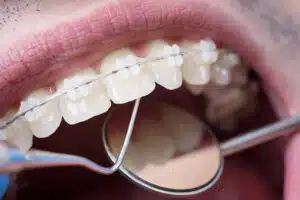
- Ceramic braces that blend in with natural teeth
- Traditional metal braces are used for complex movement
- Combination approaches that use more than one method
Understanding these choices makes it easier to move forward with confidence and realistic expectations.
How Long Orthodontic Treatment Usually Takes
One of the most common concerns patients have is how long treatment may last. Timelines can vary, and no two cases follow the exact same path. Factors like bite alignment, spacing, and consistency with care all play a role.
When starting orthodontic treatment, patients are often given a general range rather than a fixed end date. This helps set realistic expectations while allowing room for adjustments along the way. Progress is monitored at regular visits to keep treatment moving forward.
Understanding time commitments helps patients plan around school, work, and personal schedules. Clear communication about duration reduces frustration and makes the process feel more manageable over time.
Cost, Payment Options, and What Impacts Pricing
Cost is an important part of the decision process, and patients often want transparency early on. Orthodontic fees are influenced by more than just the type of appliance used. Complexity, length of care, and follow-up needs all contribute to overall pricing.
During consultations, providers usually explain how fees are structured and what is included. This conversation helps patients understand how treatment is planned and how payments are handled over time. Clear explanations reduce surprises and support informed decisions.
Factors that often affect orthodontic treatment cost include:
- The complexity of tooth and bite correction
- The estimated length of treatment
- The type of orthodontic appliance selected
- The number of adjustments and monitoring visits
Having this information upfront allows patients to weigh options calmly and plan with confidence.
How to Prepare for Life During Orthodontic Care
Orthodontic care brings small changes to daily habits, especially during the early weeks. Patients often want to know how treatment may affect eating, oral hygiene, and social routines. These adjustments are usually manageable once expectations are clear.
Knowing what to ask an orthodontist can make these transitions smoother. Questions about cleaning techniques, appointment frequency, and managing minor discomfort help patients feel more in control. Clear guidance early on reduces stress and prevents avoidable issues.
Preparation is not only physical but also practical. Understanding how often visits are needed and how progress is tracked helps patients fit care into their schedules without disruption.

Frequently Asked Questions Before Treatment Begins
Will orthodontic treatment be uncomfortable at first?
Mild soreness is common during the early phase as teeth begin to shift. This usually fades within a few days as the mouth adjusts.
Can orthodontic treatment affect speech?
Some patients notice slight changes at the start, especially with clear aligners. Speech typically returns to normal as the tongue adapts.
How often are orthodontic appointments scheduled?
Most visits are spaced several weeks apart to monitor progress and make adjustments. The exact schedule depends on the treatment plan.
What happens if an appointment is missed?
Missing visits can slow progress and may affect results. Offices usually work with patients to reschedule as soon as possible.
Will orthodontic treatment require lifestyle changes?
Most patients can continue their normal routines with minor adjustments. Your orthodontist will explain any changes related to eating habits, oral care, or appliance wear so expectations stay clear.
Orthodontic Guidance from Goodman Orthodontics in Manhattan
At Goodman Orthodontics, we understand that patients want clear answers before committing to orthodontic care. Our approach focuses on precision, advanced technology, and personal attention, so every patient understands their options and feels confident in the plan ahead. Dr. Goodman combines deep clinical experience with modern orthodontic techniques to create smiles that are carefully planned and thoughtfully executed.
We work with patients across Manhattan to provide clear aligners, ceramic braces, metal braces, and hybrid treatment options, always guided by individual goals, time considerations, and long-term oral health. We believe informed decisions lead to better outcomes, which is why we prioritize open conversations and straightforward guidance from the first visit.
If you would like clear answers and a personalized plan, we invite you to schedule a consultation with our team.